

Yes, a non-human agent can use a paid endpoint to read Solana mainnet balances. BuildAWallet provides machine endpoints specifically designed for this purpose, allowing agents to query on-chain data without managing complex infrastructure. This guide covers how paid endpoint access works, how agents execute balance queries, the role of Solana RPC endpoints, and the authentication mechanisms required for secure API integration. For additional details, review the Web3 Wallet.
Paid Endpoint Access
Accessing blockchain data at scale requires reliable infrastructure. Public RPC nodes often suffer from rate limits and latency, which can disrupt automated workflows. BuildAWallet addresses this by offering paid machine endpoints that provide consistent access to mainnet data. These endpoints are designed for non-human agents that need to perform high-frequency reads without the overhead of managing their own node clusters. For additional details, review the Web3 Wallet.
Infrastructure Reliability
Reliability is the primary driver for using paid endpoints. When an agent needs to monitor portfolio values or trigger automated actions, downtime is unacceptable. The BuildAWallet platform ensures that the underlying Worker and RPC configuration remains healthy, providing a stable layer between the agent and the blockchain. This stability allows developers to build complex logic on top of simple data retrieval calls.
Cost Structure and Usage
The service operates on a pay-per-call model, often aligned with x402 standards. This means agents pay only for the specific data they request. There are no hidden fees for idle time or unused capacity. For teams building autonomous financial tools, this model aligns costs directly with utility, making budgeting predictable and efficient. For additional details, review the Web3 Wallet.
Agent Balance Queries
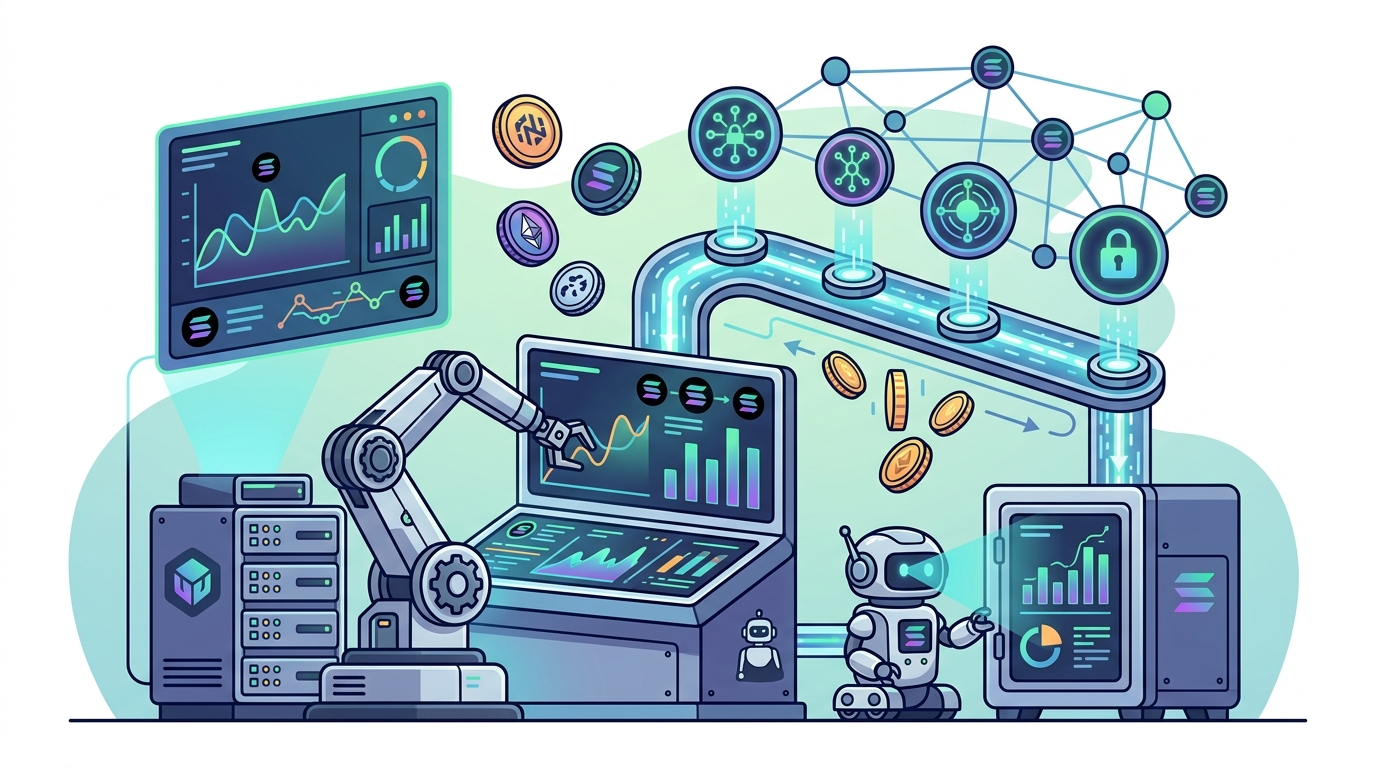
Executing a balance query is the most common task for a non-human agent interacting with a wallet. The process involves sending a request to the endpoint, receiving the current token balances, and parsing the response. BuildAWallet simplifies this by providing a structured API that returns clean, machine-readable data.
Request and Response Cycle
An agent initiates a query by specifying the wallet address it wishes to inspect. The endpoint retrieves the latest state of that address from the Solana mainnet. The response includes the balance of the native SOL token as well as any associated SPL tokens. This data is returned in a format that is easy for an agent to process programmatically.
Policy Controlled Execution
While the agent can read balances, the signing of transactions remains with the caller. This separation of duties is critical for security. The agent acts as an observer and preparer, while the policy engine or human owner retains control over execution. This ensures that an agent cannot unilaterally move funds without explicit authorization.
Solana RPC Endpoints
Understanding the underlying technology helps in appreciating the value of a managed endpoint. A Solana RPC endpoint is a server that exposes the Remote Procedure Call interface of the Solana blockchain. It allows clients to interact with the ledger, query accounts, and submit transactions.
Public vs. Private Endpoints
Public endpoints are free but shared among all users. This sharing leads to congestion and inconsistent performance. Private or paid endpoints, like those offered by BuildAWallet, provide dedicated resources. This isolation ensures that your agent's requests are not throttled by other users' traffic, resulting in faster and more reliable data retrieval.
Network Specifics
Solana is a high-performance blockchain with unique characteristics. Its Proof of History mechanism allows for rapid finality. When querying balances, the agent is interacting with a snapshot of this ledger. The endpoint ensures that the data returned is as current as possible, reflecting the latest confirmed transactions on the mainnet.
API Key Authentication
Security is paramount when connecting agents to financial infrastructure. API key authentication is the standard method for verifying the identity of the client making the request. BuildAWallet requires valid credentials to access its paid endpoints, ensuring that only authorized agents can consume the service.
Key Management Best Practices
Managing API keys requires discipline. Keys should be stored in secure environment variables or secret managers, never hardcoded in source code. Regular rotation of keys is recommended to mitigate the risk of exposure. If a key is compromised, it should be revoked immediately to prevent unauthorized access to the endpoint.
Integration with Agent Frameworks
Modern agent frameworks have built-in support for API authentication. When integrating BuildAWallet, the agent framework handles the inclusion of the API key in the request headers. This seamless integration allows developers to focus on the business logic of the agent rather than the plumbing of authentication.
Comparison of Endpoint Types
| Feature | Public RPC | BuildAWallet Paid Endpoint |
|---|---|---|
| Cost | Free | Pay-per-call |
| Rate Limits | Strict and shared | Generous and dedicated |
| Reliability | Variable | High |
| Best For | Development and testing | Production agents |
Key Takeaways
- Non-human agents can read Solana mainnet balances using paid endpoints.
- BuildAWallet provides a stable infrastructure for high-frequency data queries.
- The pay-per-call model aligns costs with actual usage.
- Signing keys remain with the caller, ensuring policy-controlled execution.
- API key authentication secures the connection between the agent and the endpoint.
- Proper key management is essential for maintaining security in agent workflows.
Frequently Asked Questions
Can an agent sign transactions using the paid endpoint?
No. The paid endpoint is designed for data retrieval and transaction preparation. Signing keys stay with the caller, ensuring that the agent cannot execute transactions without explicit authorization from the policy engine or human owner.
What networks are supported by the machine endpoints?
BuildAWallet currently supports Base and Solana for its machine endpoints. These networks are chosen for their high performance and growing adoption in the agent economy.
How is the pay-per-call pricing structured?
The pricing is based on the number of API calls made. You pay only for the data you request. There are no monthly subscriptions or idle fees, making it cost-effective for intermittent usage.
Is the data returned in real-time?
The data reflects the latest confirmed state of the Solana mainnet. While there is a slight delay due to network confirmation times, the endpoint ensures that the data is as current as possible for practical purposes.
How do I obtain an API key for BuildAWallet?
You can obtain an API key by signing up for the BuildAWallet service. The key is then used to authenticate your requests to the machine endpoints. Ensure that you store the key securely and do not share it publicly.
Can I use the endpoint for other chains?
Currently, the machine endpoints are focused on Base and Solana. Support for other chains may be added in the future, but for now, these are the primary networks available for agent integration.
Conclusion
Integrating non-human agents with blockchain infrastructure is a critical step in the evolution of autonomous finance. BuildAWallet provides the necessary tools to make this integration secure, reliable, and cost-effective. By using paid endpoints for balance queries, agents can operate with the precision and speed required for modern applications. To begin building your agent's wallet infrastructure, visit the BuildAWallet platform and explore the machine API options available for your use case.